First came this post by Joanna Blythman on The Guardian‘s Comment Is Free blog:
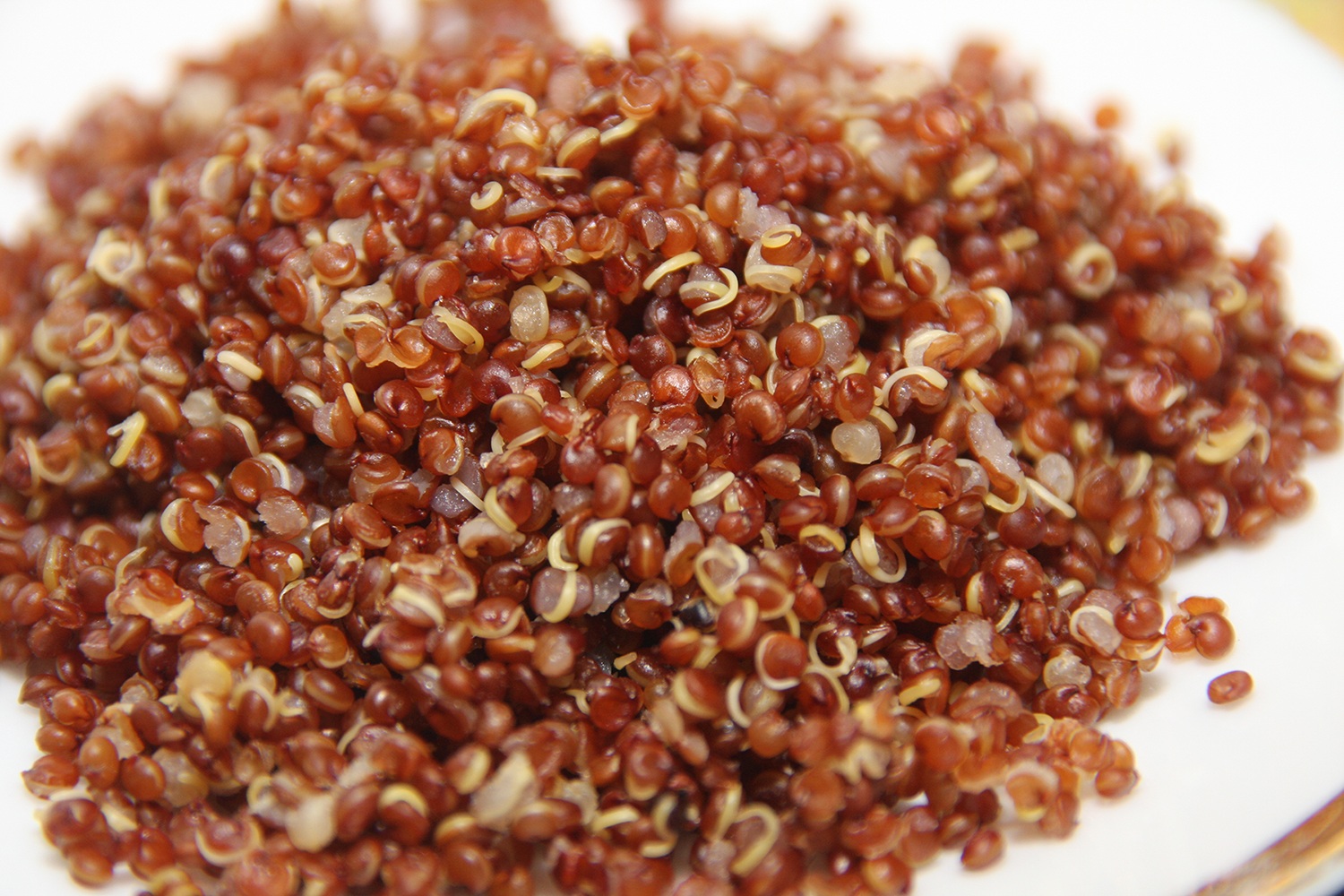
Quinoa was, in marketing speak, the “miracle grain of the Andes,” a healthy, right-on, ethical addition to the meat avoider’s larder (no dead animals, just a crop that doesn’t feel pain). Consequently, the price shot up – it has tripled since 2006 – with more rarefied black, red and “royal” types commanding particularly handsome premiums.
But there is an unpalatable truth to face for those of us with a bag of quinoa in the larder. The appetite of countries such as ours for this grain has pushed up prices to such an extent that poorer people in Peru and Bolivia, for whom it was once a nourishing staple food, can no longer afford to eat it. Imported junk food is cheaper. In Lima, quinoa now costs more than chicken. Outside the cities, and fueled by overseas demand, the pressure is on to turn land that once produced a portfolio of diverse crops into quinoa monoculture.

Honest Advice for Your Semester Abroad in Africa
You see, not only have I personally spent a semester in Africa, but I also refuse to deceive myself or others about the nature of that experience. I went to Cameroon seeking adventure and a reprieve from the banal hedonism that had defined my college experience in the spring of my junior year. Also, I didn’t have enough French credits to go to Paris. During my program orientation (held in a small African village where we were instructed to always wear shoes lest parasitic insects lay eggs in the soles of our feet) we were told that while many students are nervous during their first few weeks in Africa, all of the several hundred students who previously participated in the program ultimately reported a highly positive experience. Not me. When my harrowing, disagreeable, grisly African sojourn reached it’s (sic) sweet, sweet conclusion, I felt so positively celebratory about finally leaving that the airline stewardess had to cut me off before we even hit the Atlantic.