It’s spring break this week, which means that I am highly unlikely to post anything new before Monday, March 18.
Published March 11, 2013
Agricultural Economics—Without Apology
It’s spring break this week, which means that I am highly unlikely to post anything new before Monday, March 18.
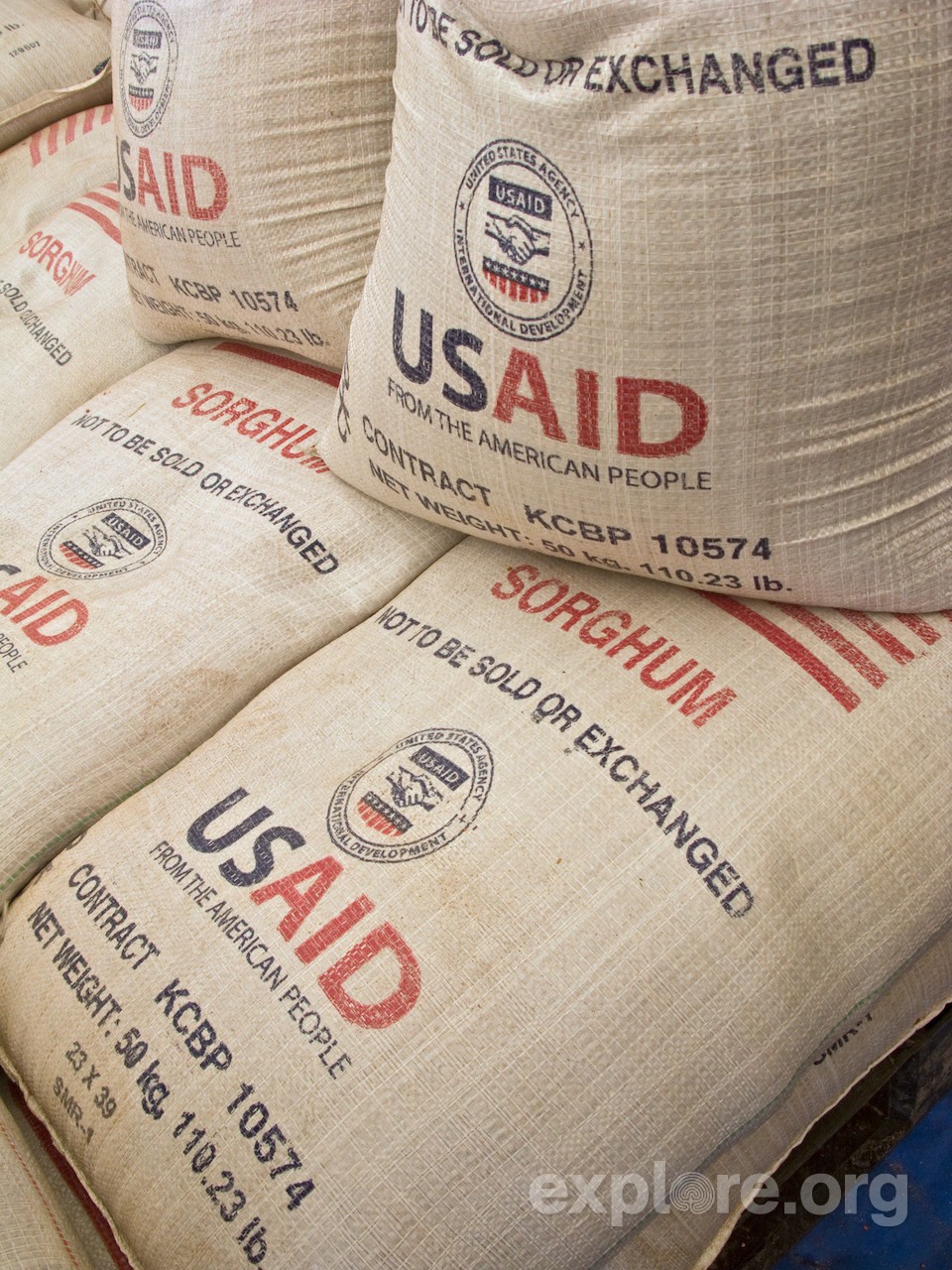
A few weeks ago in my food policy seminar, we discussed food aid. Paarlberg (2011), whose discussion of food aid informs much of the first half of this post, defines food aid as the international shipment of food through noncommercial channels as a gift.
Though almost 60 percent of food aid is delivered by the United Nations’ World Food Programme, the US remains a major provider of food aid. The delivery of food aid by the US is not without its fair share of problems. Among the most decried features of the US food aid program are that
As a consequence of those two rules, 65% of US spending on food aid is spent on administrative and transportation costs.
Last semester in my principles of microeconomics course, one of my teaching assistants (TAs) caught some of our students cheating on problem sets.
I use Mankiw’s Principles of Microeconomics when teaching that course. Because that textbook is widely used, it is perhaps no surprise that the solutions to book problems are (illegally) available online. And because I assign end-of-chapter problems as homework, it is perhaps no surprise that a few unscrupulous enterprising students would use those solutions to prepare their answers to problem sets.
What is more surprising is that some of those students would do so in plain view, in a common area next to the lecture hall where I taught that course. One student even copied the solution manual’s answers verbatim in her homework.